Finding the right people is difficult as the hiring market shifts, which means simply posting a job when a vacancy opens is no longer enough to stay ahead. To win, you must move beyond traditional hiring and stop waiting until you have a gap to fill, as those delays stall your growth. To outrun the competition, you need a clear view of the talent market before a need arises, which is where Talent Mapping becomes your edge.
This approach allows you to compare your team’s skills against competitors and identify top performers long before you start the formal recruitment process. By maintaining this continuous view of the market, you ensure your business is never starting from scratch when a key role opens up, allowing for a smooth transition that keeps your business moving forward.
In this guide, we will cover:
- What is talent mapping, and why is it important for your growth in 2026?
- How recruiters can use talent mapping to stay ahead of others.
- How to build a pool of passive candidates so you are always ready for future needs.
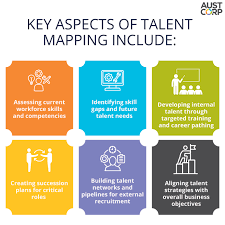
What is Talent Mapping?
Talent mapping is a continuous, repetitive process of researching and identifying candidates long before a job opening exists. Unlike traditional hiring that only responds to immediate needs, this is a forward-looking plan designed to prepare for future opportunities.
This approach looks at the long-term needs of the business instead of focusing only on hiring goals for the next few weeks. It helps businesses understand competitors by providing a clear look at organization size, structure, and the quality of talent in the market. By knowing how other companies are built and the strengths of their people, hiring managers can make better choices and use the best methods to find and keep the right talent.
Talent Mapping Approaches: Traditional vs. Skills-Focused
Talent mapping is critical for aligning workforce capabilities with organizational goals. Two predominant approaches exist, traditional talent mapping and skills-focused talent mapping, each offering distinct advantages.
Traditional Mapping
The traditional method focuses on job titles, how long someone has been at the company, and their career history. It uses the company structure and past performance reviews to find people who can move into leadership roles later.
- Securing Leadership: It keeps a list of people ready to take over important roles, so you are never left with an empty leadership position.
- Clear Promotion Paths: It shows employees exactly how to move up in the company based on their years of experience.
- Simple Planning: It works well in industries where job duties stay the same for a long time.
- Cultural Continuity: By promoting from within based on history, you ensure leaders already understand your company’s internal values and how the business operates.
Limitations: This approach often ignores the new skills needed for modern technology. It might overlook great people just because their current job title doesn’t match their actual potential. It can also lead to a leadership team that struggles to adapt to fast market changes.
Skills-Focused Mapping
Skills-focused talent mapping looks at what people can actually do, regardless of their job titles. This approach tracks technical abilities, how well people work with others, and real-time performance on projects. Instead of looking at where someone sits in the company chart, it focuses on the value they bring to the business.
- Finding Skill Gaps: It tells you exactly where your team is missing expertise so you can train your current people or hire new experts to fill the void.
- Building Flexible Teams: You can put people on projects based on their abilities rather than their department. This makes your business much faster at hitting new goals and adapting to change.
- Future-Proofing: It ensures your team is ready for new tools and market shifts by focusing on ability and potential rather than just past job history.
Limitations: This strategy requires regular updates because skills change quickly as new technology appears. Without a system to track these changes, your data can become outdated, leading to poor planning.